Introduction
Christian identity has always shaped the believer’s relationship to culture, aesthetics, and material expression. Among the most theologically potent identity markers in Scripture is the designation of believers as a “royal priesthood,” a term that fuses kingship and priestly consecration into a single spiritual anthropology. This identity, articulated in 1 Peter 2:9 in the King James Version, positions Christians as both regal and sacred, set apart yet endowed with dignity, authority, and symbolic representation. In a contemporary world where fashion functions as a primary medium of identity construction and cultural participation, the question of how Christians who embrace their royal priesthood identity engage with luxury fashion becomes increasingly relevant. Luxury fashion is not merely a commercial category; it is a symbolic language, a cultural performance, and a site of meaning-making. Understanding how Christians navigate this space requires an interdisciplinary approach that integrates theology, consumer psychology, cultural studies, and fashion theory.
This research investigates how Christian royal priesthood identity influences luxury fashion consumption, examining the theological motivations, psychological dynamics, and cultural negotiations that shape Christian engagement with luxury goods. The central research question guiding this study is how the biblical identity of the royal priesthood informs, motivates, constrains, or transforms luxury fashion consumption among contemporary believers. The thesis argues that Christian royal priesthood identity does not inherently discourage luxury consumption; rather, it reframes luxury as a symbolic extension of divine dignity, consecrated self‑presentation, and spiritual representation, provided that consumption aligns with stewardship ethics, holiness, and theological integrity. This argument is grounded in biblical exegesis, peer‑reviewed scholarship, and contemporary theories of luxury consumption.
The significance of this research lies in its contribution to multiple fields. In theology, it expands the conversation about Christian identity and material culture. In consumer psychology, it illuminates how religious identity shapes consumption motivations. In fashion studies, it challenges the assumption that luxury is inherently secular or hedonistic. And in cultural studies, it reveals how believers negotiate their place within globalized aesthetic economies. The study thus positions Christian royal priesthood identity as a lens through which to understand not only personal consumption choices but also broader cultural participation.

Background
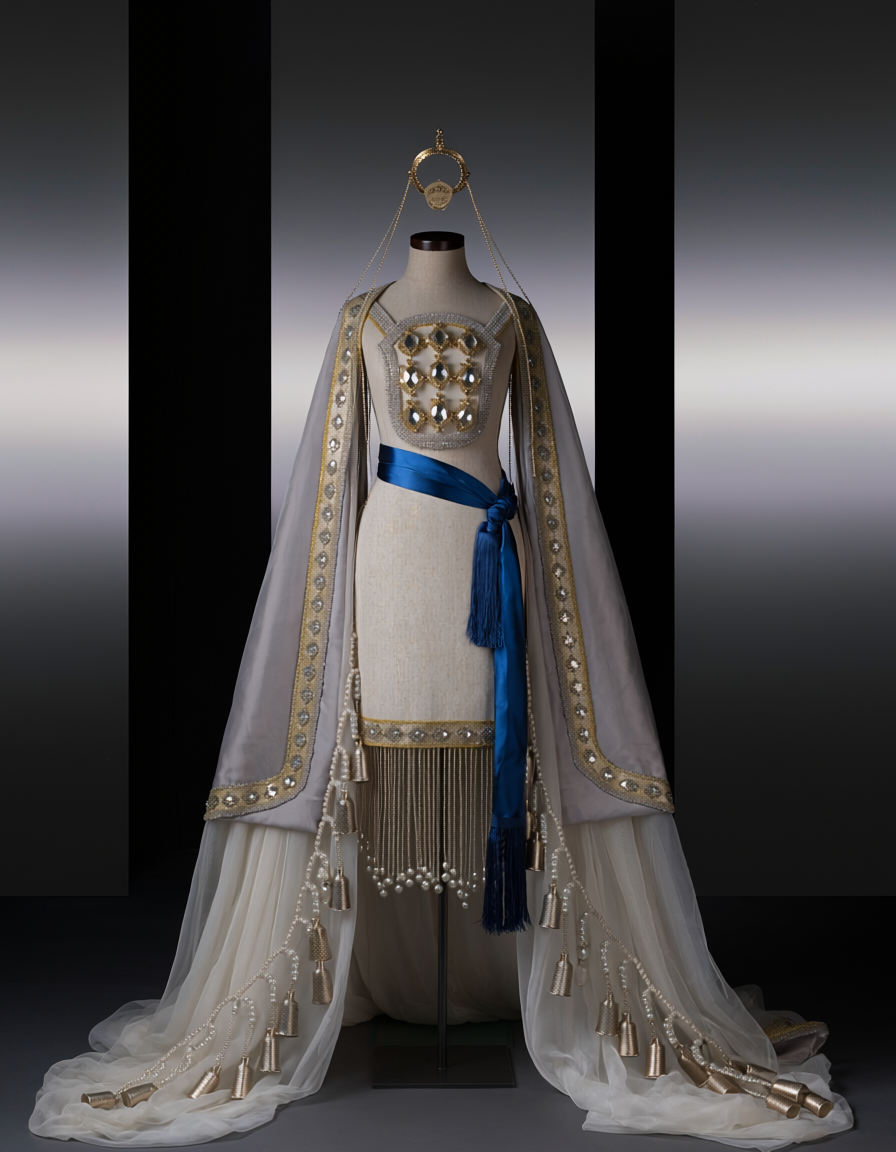
The concept of the royal priesthood originates in the Old Testament, where God establishes Israel as a covenant people with a dual identity: regal and priestly. In Exodus 19:6, God declares, “And ye shall be unto me a kingdom of priests, and an holy nation.” This identity was not metaphorical; it was covenantal, functional, and aesthetic. Priests were set apart through sacred garments, symbolic adornment, and ritual presentation. Exodus 28 describes the priestly garments as being made “for glory and for beauty,” indicating that clothing itself was a theological medium. Udoekpo’s (2023) analysis of Exodus 19:6 emphasizes that the priesthood in Israel was not merely a religious office but a representational identity, one that required visible markers of consecration and dignity.
In the New Testament, the royal priesthood identity is expanded to all believers through Christ, the High Priest and King. First Peter 2:9 universalizes the priesthood, declaring that all Christians share in this royal and sacred identity. Sijuwade (2025) highlights that the kingship of Jesus establishes the foundation for Christian royal identity, while the priesthood of Christ extends sacred representation to the entire body of believers. Thus, the royal priesthood identity is both theological and symbolic, shaping how Christians understand themselves and how they present themselves to the world.
Historically, Christianity has maintained a complex relationship with fashion. Early Christian communities emphasized modesty, humility, and simplicity, yet ecclesiastical garments throughout the medieval and Renaissance periods were often elaborate, luxurious, and symbolically rich. Bishops, priests, and monarchs wore garments that communicated divine authority, spiritual dignity, and sacred representation. Almila (2020) notes that fashion and religion have always interacted, influencing each other’s aesthetics, values, and cultural expressions. Religious dress codes, sacred adornment, and symbolic garments demonstrate that fashion is not inherently secular but often deeply spiritual.
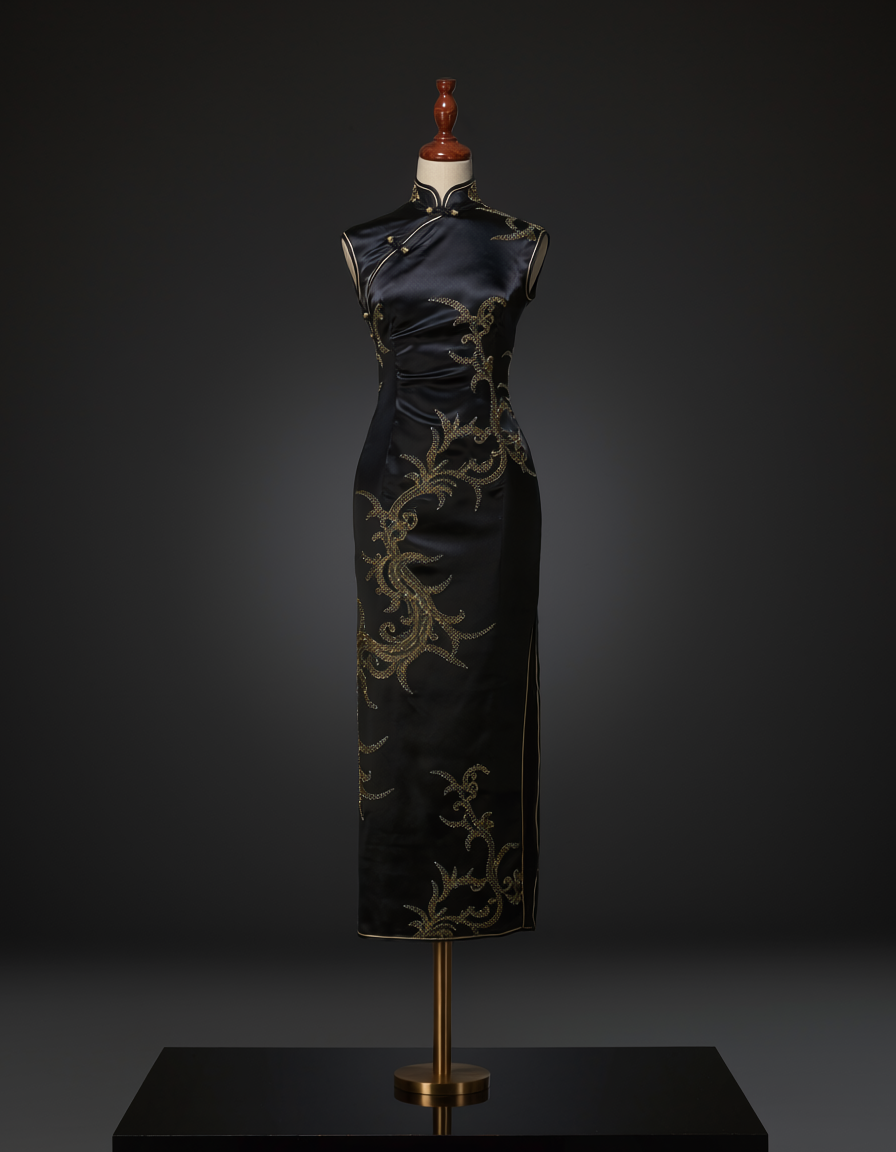
The rise of the modern luxury fashion industry adds another dimension to this discussion. Cabigiosu and Camuffo (2020) describe luxury fashion as an industry defined by exclusivity, craftsmanship, heritage, and symbolic capital. Luxury consumption today is not merely functional; it is psychological, expressive, and identity-driven. Wang and Griskevicius (2022) argue that contemporary luxury consumption fulfills psychological needs related to self-worth, identity expression, and social meaning. In this context, Christian engagement with luxury fashion becomes a site of theological negotiation, cultural participation, and identity expression.
Religion continues to shape consumer behavior in profound ways. Aglozo and Cohen (2025) demonstrate that religious values influence ethical consumption, brand loyalty, and symbolic meaning-making. Singh et al. (2021) show that religiosity can both restrain and motivate consumption, depending on theological interpretation and cultural context. Yoo and Lee (2021) reveal that religious commitment interacts with global identity to influence luxury purchase intentions, suggesting that religious consumers are not monolithic but negotiate multiple identities simultaneously. These insights collectively establish the background for examining how Christian royal priesthood identity shapes luxury fashion consumption.
Literature Review
The literature on religion and consumer behavior consistently demonstrates that religious identity influences consumption patterns, moral reasoning, and symbolic preferences. Aglozo and Cohen (2025) contend that religious values influence how consumers assess products, leading them to prioritize spiritual alignment, ethical production, and identity consistency. Their research shows that religious consumers tend to interpret consumption through moral frameworks, meaning that luxury fashion is not merely a material choice but a spiritual and ethical one. This aligns with the broader understanding that religion shapes not only beliefs but also behaviors, including how individuals engage with markets, brands, and cultural goods.
Al‑Abdulrazak and Gbadamosi (2017) emphasize that religiosity strengthens trust and brand loyalty, particularly when brands are perceived as value-aligned. Their work suggests that religious consumers form deeper emotional connections with brands that reflect their values, identity, or worldview. This insight is particularly relevant for luxury fashion, where brand identity, heritage, and symbolic meaning play central roles. If a luxury brand aligns with a Christian consumer’s sense of dignity, purpose, or spiritual identity, the likelihood of purchase increases. This dynamic reflects the broader principle that consumption is not merely transactional but relational and symbolic.
Singh et al. (2021) highlight that religious teachings often encourage moderation, stewardship, and ethical decision-making. However, they also note that religious identity can motivate aspirational consumption when such consumption is interpreted as consistent with spiritual dignity or divine favor. This duality is crucial for understanding Christian engagement with luxury fashion. On one hand, Christians may feel compelled to avoid excess or vanity; on the other hand, they may interpret luxury as a reflection of divine blessing, excellence, or consecrated identity. This tension reflects the broader complexity of religious consumption, where spiritual values and cultural participation intersect.
In the context of luxury fashion, Wang and Griskevicius (2022) argue that luxury consumption satisfies psychological needs tied to self‑worth, identity expression, and social meaning. They explain that luxury goods function not merely as material possessions but as symbolic tools individuals use to reinforce their sense of personal value. By selecting items associated with exclusivity and prestige, consumers affirm their self‑worth and communicate aspects of their identity to others. Luxury products also carry social signals, allowing individuals to construct meaning within their social environments—whether by signaling status, belonging, distinction, or personal narrative. Through this lens, luxury consumption becomes a psychological strategy for navigating both internal self‑perception and external social interpretation. For Christians, these psychological motivations are filtered through theological identity. Luxury fashion becomes a medium for embodying spiritual authority, confidence, and purpose. Zainol et al. (2024) explain this through the idea of self‑congruity, noting that consumers are drawn to brands that reflect and reinforce their own sense of identity. For religious consumers, this self‑concept includes spiritual identity, meaning that luxury brands may be embraced when they resonate with the believer’s sense of divine calling or consecrated identity.
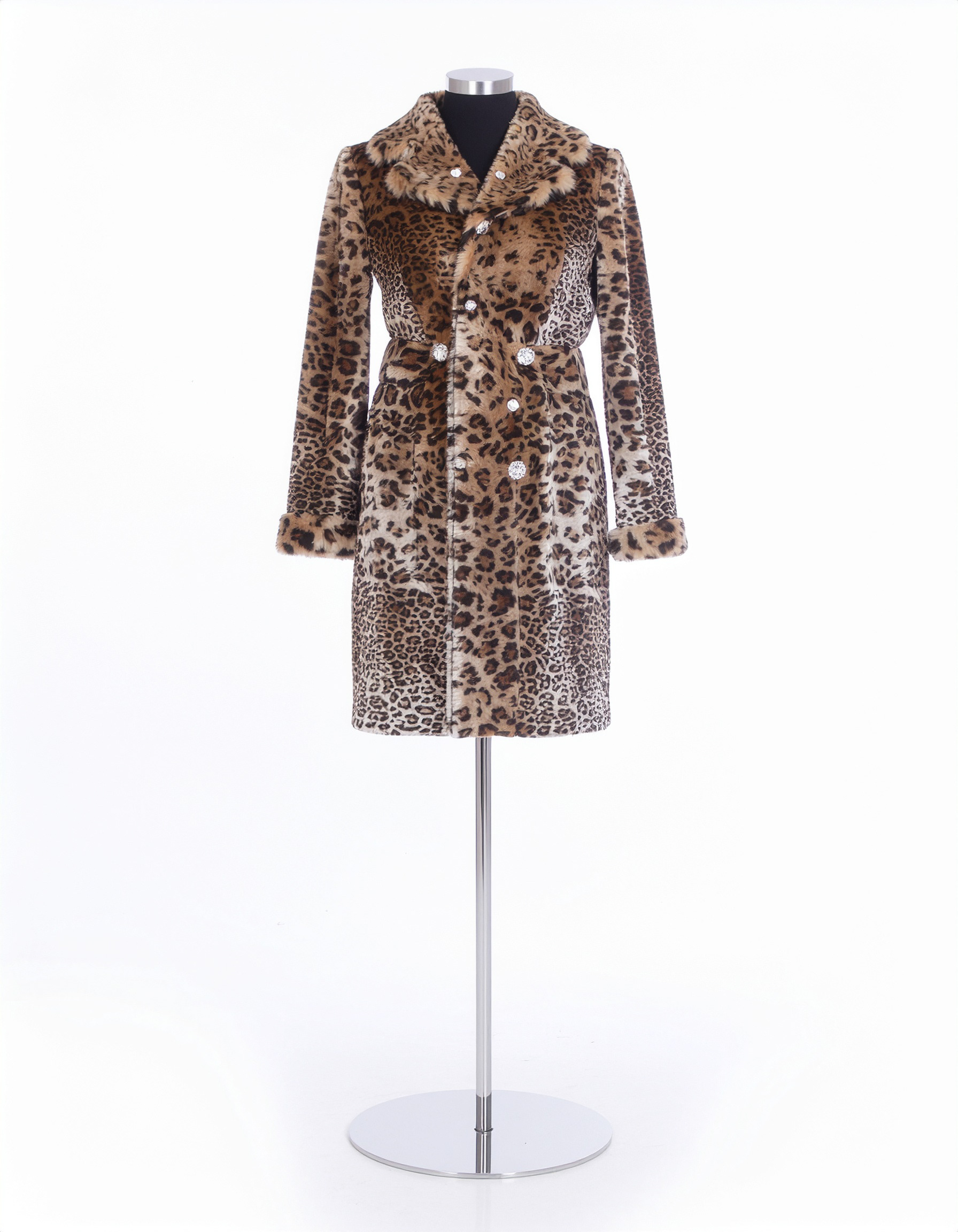
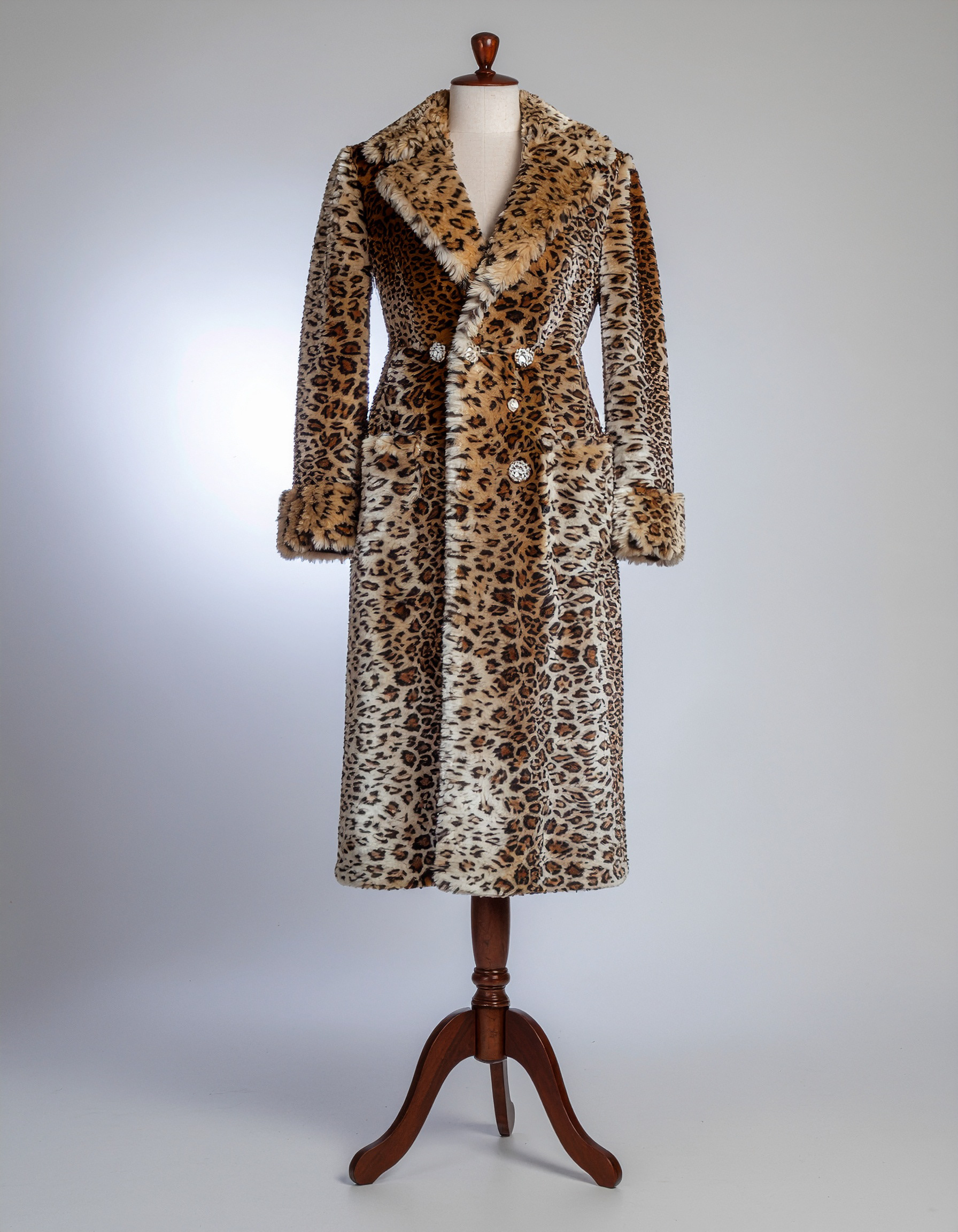
Yoo and Lee (2021) demonstrate that religious commitment does not necessarily reduce luxury consumption; instead, it shapes the motivations behind it. Their cross‑cultural study shows that religious consumers often participate in luxury markets, but their reasons differ from secular consumers. Rather than seeking status or social comparison, religious consumers may seek self-expression, identity affirmation, or alignment with spiritual values. This insight challenges the assumption that religiosity inherently suppresses luxury consumption. Instead, it suggests that religious identity transforms the meaning of luxury, making it a site of spiritual negotiation, rather than material indulgence.
Fashion and religion intersect in complex ways. Almila (2020) argues that fashion is not inherently secular but often deeply spiritual, functioning as a medium of identity construction and symbolic communication. Her work shows that religious dress practices, sacred adornment, and symbolic garments demonstrate that fashion is a site of spiritual expression. This insight is crucial for understanding Christian engagement with luxury fashion. If fashion is a medium of identity expression, and if Christian identity is inherently regal and priestly, then luxury fashion becomes a potential site for expressing divine dignity, consecration, and spiritual authority.
Stolovy (2024) demonstrates that clothing influences body appreciation among both religious and secular women, suggesting that fashion choices are shaped by identity, values, and psychological well‑being. Her research shows that clothing can enhance self-esteem, confidence, and emotional well‑being, which aligns with the psychological motivations behind luxury consumption. For Christians, these psychological benefits are filtered through theological identity, meaning that luxury fashion may be embraced as a tool for embodying spiritual confidence, dignity, and purpose.
Al‑Issa et al. (2024) show that culture and religion interact to shape luxury consumption across nations, indicating that religious identity significantly influences luxury motivations and boundaries. Their cross‑national investigation reveals that religious consumers interpret luxury through cultural and theological lenses, meaning that luxury consumption is not merely a global trend but a culturally and spiritually negotiated practice. This insight is crucial for understanding Christian engagement with luxury fashion, as it shows that religious identity shapes not only what consumers buy but also why they buy it.
The biblical theology of royal priesthood further enriches this discussion. Udoekpo (2023) emphasizes that priesthood identity is covenantal, representational, and aesthetic, while Sijuwade (2025) emphasizes that the kingship of Jesus Christ serves as the core basis for Christian royal identity. Together, these works reveal a gap in the literature: while scholars have examined religion and consumer behavior, and while theologians have explored priesthood identity, few have connected these domains to analyze how Christian royal priesthood identity influences luxury fashion consumption. This study seeks to fill that gap by integrating biblical theology, consumer psychology, and fashion studies to examine how Christian identity shapes luxury consumption.

Methodology
This study employs a qualitative theological‑interpretive methodology, drawing from the King James Version of the Bible as the primary source and peer‑reviewed scholarly literature as secondary sources. The primary data sources include biblical texts related to priesthood, kingship, holiness, adornment, and identity, while the secondary sources include academic works in theology, consumer psychology, fashion studies, and marketing. The analytical framework follows a three‑stage interpretive process. First, theological exegesis is used to interpret biblical texts and extract principles related to identity, adornment, and representation. Second, thematic synthesis integrates theological insights with consumer behavior theories to identify patterns and conceptual relationships. Third, interpretive application applies these findings to contemporary luxury fashion consumption among Christians. This methodology is justified by the interdisciplinary nature of the research, which requires both theological grounding and engagement with empirical consumer behavior research. The approach allows for a nuanced understanding of how spiritual identity interacts with cultural practices such as fashion consumption.
Results
The findings of this study reveal that Christian royal priesthood identity significantly shapes luxury fashion consumption in three primary ways: through symbolic self‑presentation, spiritualized consumption motivations, and ethical boundaries informed by holiness and stewardship. These findings demonstrate that Christian engagement with luxury fashion is neither inherently contradictory nor inherently indulgent; rather, it is a complex negotiation between spiritual identity and cultural participation.
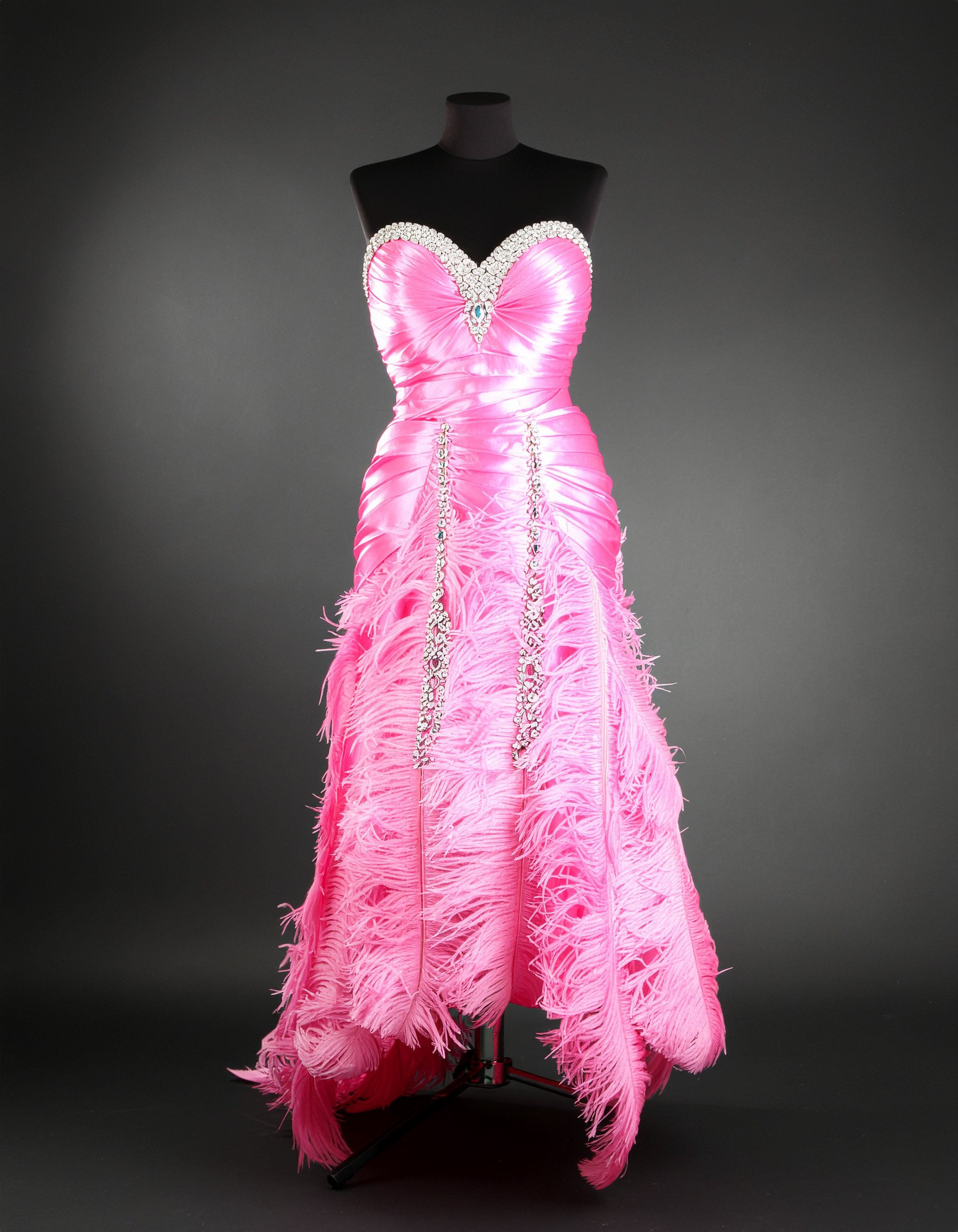
The first major finding is that Christians who embrace their royal priesthood identity often interpret luxury fashion as a symbolic extension of divine dignity. The biblical foundation for this interpretation lies in the priestly garments described in Exodus 28, which were crafted “for glory and for beauty.” These garments were not utilitarian; they were aesthetic, symbolic, and representative. They communicated holiness, authority, and divine representation. Believers who internalize this identity often view luxury fashion as a contemporary parallel to sacred adornment—an outward expression of inward consecration. This does not imply vanity; rather, it reflects a theological understanding that dignity, excellence, and beauty are consistent with divine identity. The royal dimension of the priesthood further reinforces this interpretation. As children of the King, believers may view luxury fashion as a reflection of spiritual royalty, aligning with the biblical affirmation that God “hath made us kings and priests unto God and his Father” (Revelation 1:6, KJV).
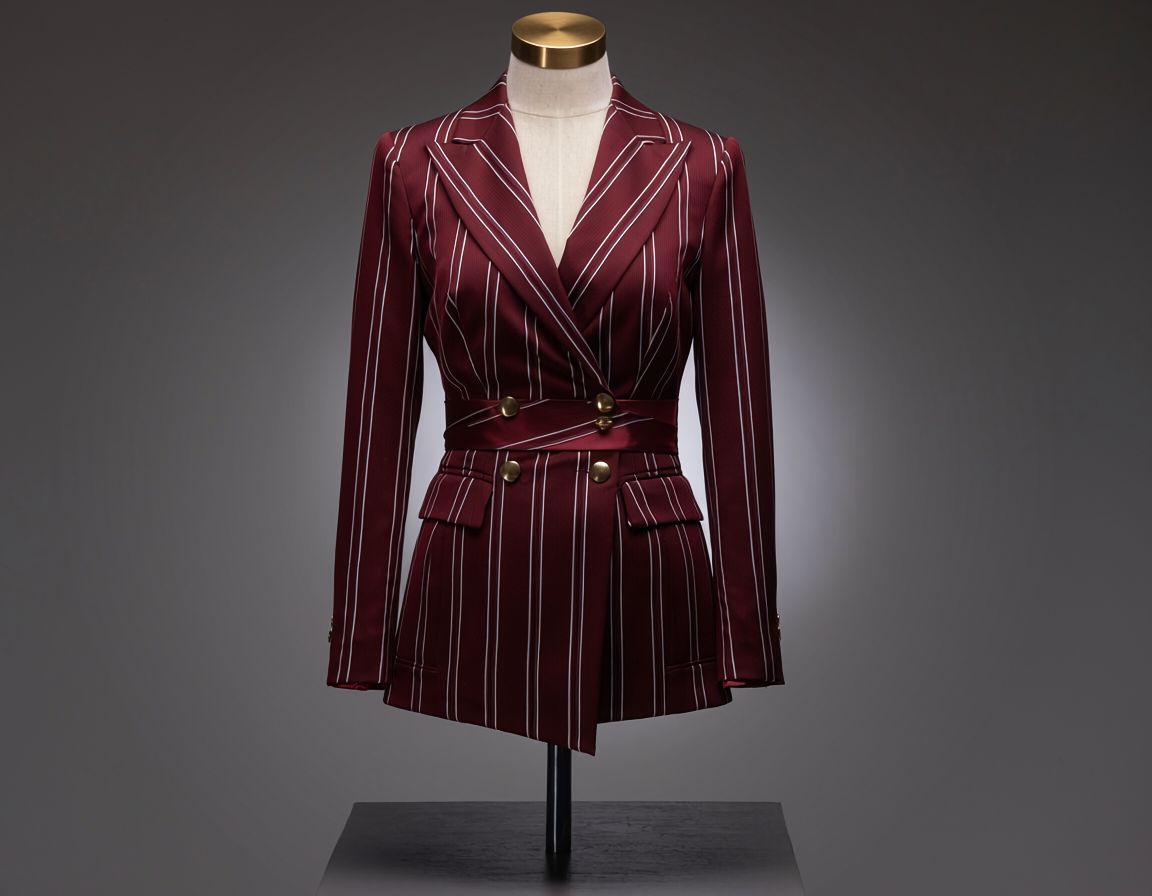
The second major finding is that luxury consumption among Christians is often spiritually motivated, rather than purely materialistic. Many believers interpret luxury fashion as a tool for embodying excellence, confidence, and purpose. This aligns with contemporary consumer psychology, which shows that luxury consumption is frequently tied to self‑expression, identity affirmation, and emotional empowerment, as Wang and Griskevicius (2022) argue. For Christians, these motivations are filtered through theological identity. Luxury fashion becomes a medium for expressing divine calling, spiritual authority, and consecrated identity. This is consistent with Zainol et al.’s (2024) concept of self‑congruity, which suggests that consumers seek alignment between their self‑concept and the brands they choose. For Christians, this self‑concept includes spiritual identity, meaning that luxury brands may be embraced when they resonate with the believer’s sense of divine purpose, dignity, or calling.
The third major finding is that Christian royal priesthood identity establishes ethical boundaries around luxury consumption. These boundaries are shaped by biblical teachings on stewardship, holiness, and moderation. While luxury fashion may be embraced as a symbol of divine dignity, it must not become an idol or a source of pride. Believers often evaluate luxury purchases through the lens of spiritual alignment, ethical production, and personal integrity. This aligns with Aglozo and Cohen’s (2025) findings that religious values influence ethical consumption and moral reasoning. Christians who embrace their royal priesthood identity often interpret luxury consumption as permissible when it aligns with stewardship, purpose, and holiness, but problematic when it reflects vanity, excess, or spiritual compromise.
Analysis
The analysis of these findings reveals a complex interplay between theology, identity, and consumer behavior. The royal priesthood identity functions as a theological framework that shapes how Christians interpret luxury fashion, transforming it from a secular commodity into a symbolic medium of spiritual representation. This analysis draws connections between the biblical foundations of priesthood identity, contemporary theories of luxury consumption, and empirical research on religious consumer behavior.
The theological dimension of the royal priesthood identity provides the foundation for understanding Christian engagement with luxury fashion. The priesthood in Scripture is inherently aesthetic, symbolic, and representational. The garments of the high priest were designed to communicate holiness, dignity, and divine representation. This theological foundation challenges the assumption that luxury is inherently unspiritual or incompatible with Christian identity. Instead, it suggests that beauty, excellence, and symbolic adornment are consistent with divine representation when rooted in holiness and purpose. The royal dimension of the identity further reinforces this interpretation, positioning believers as children of the King whose self‑presentation reflects divine dignity.
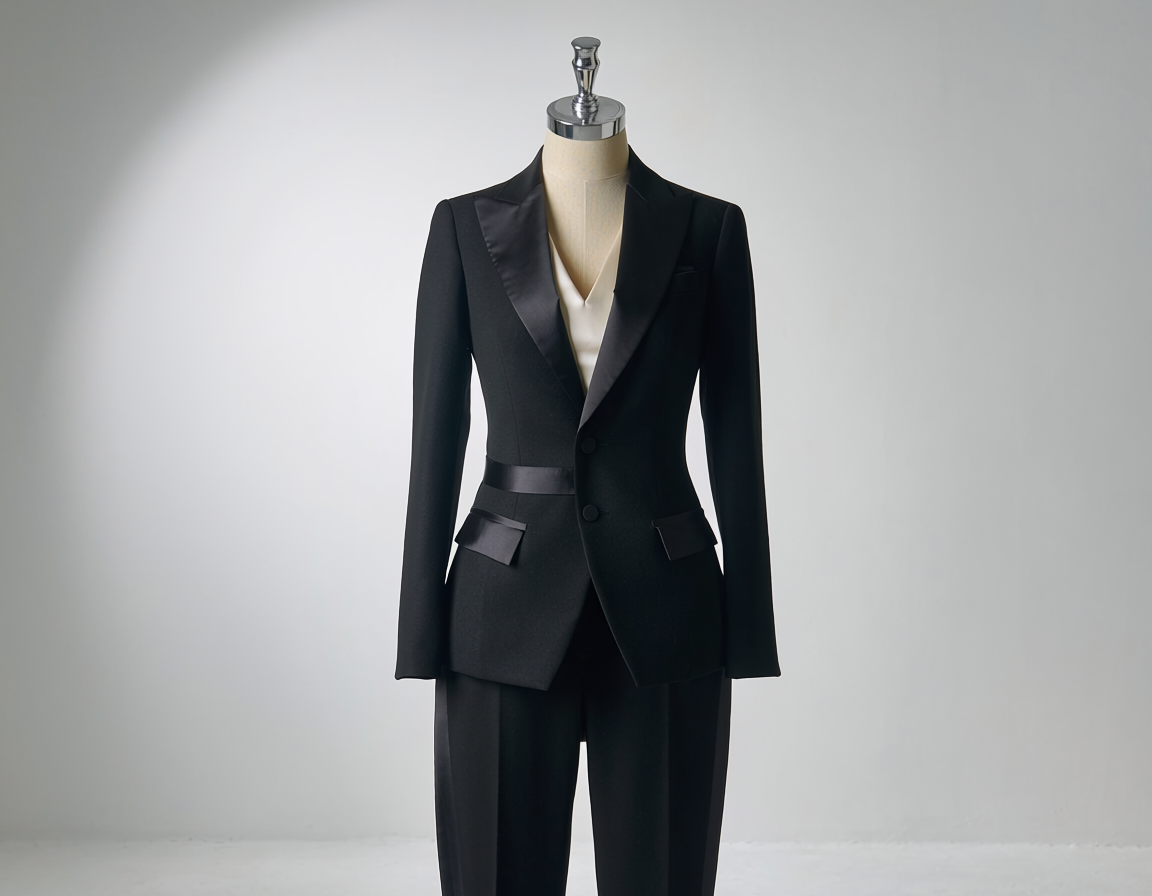
Consumer psychology provides additional insight into how this identity shapes luxury consumption. Wang and Griskevicius (2022) demonstrate that luxury consumption operates as a psychological mechanism that enables individuals to articulate identity, reinforce self‑concept, and experience heightened emotional empowerment. For Christians, these psychological motivations are filtered through theological identity. Luxury fashion becomes a tool for embodying spiritual authority, confidence, and purpose. According to Zainol et al. (2024), self‑congruity operates as a key psychological mechanism through which individuals gravitate toward brands that mirror their perceived identity. For Christians, this self‑concept includes spiritual identity, meaning that luxury brands may be embraced when they resonate with the believer’s sense of divine calling or consecrated identity.
The literature on religion and consumer behavior further illuminates how Christian identity shapes luxury consumption. According to Aglozo and Cohen (2025), religious values play a significant role in guiding ethical consumption, informing moral judgments, and shaping symbolic meaning‑making. Singh et al. (2021) show that the impact of religiosity on consumption is context‑dependent, functioning as either a restrictive or motivating force depending on theological interpretation and cultural setting. Yoo and Lee (2021) demonstrate that luxury purchasing decisions are meaningfully influenced by the interplay between religious commitment and global identity, as these factors jointly guide consumers’ values, motivations, and evaluative frameworks. These insights suggest that Christian engagement with luxury fashion is not monolithic but varies based on theological interpretation, cultural context, and personal identity.
The analysis also reveals tensions and limitations. While the royal priesthood identity may motivate luxury consumption as a form of spiritual expression, it also establishes boundaries rooted in holiness, stewardship, and humility. Luxury fashion can become problematic when it reflects vanity, excess, or spiritual compromise. The challenge for believers is to navigate this tension with discernment, ensuring that luxury consumption aligns with spiritual values, rather than undermining them. This tension reflects the broader Christian struggle to live in the world without being of the world, participating in culture while maintaining spiritual integrity.
Overall, the analysis demonstrates that Christian royal priesthood identity significantly shapes luxury fashion consumption, transforming it into a site of theological negotiation, spiritual expression, and ethical discernment. Luxury fashion becomes a medium through which believers embody divine dignity, express spiritual identity, and participate in cultural aesthetics, while also navigating the boundaries of holiness and stewardship.

Conclusion
This research demonstrates that Christian royal priesthood identity profoundly influences luxury fashion consumption, shaping motivations, boundaries, and symbolic interpretations. The biblical foundations of the royal priesthood identity establish a theological framework that affirms dignity, beauty, and symbolic representation, challenging the assumption that luxury is inherently unspiritual. Contemporary consumer psychology reveals that luxury consumption fulfills psychological needs related to identity expression and emotional empowerment, which for Christians are filtered through theological identity. The literature on religion and consumer behavior further illuminates how religious values shape consumption patterns, ethical reasoning, and symbolic meaning-making.
The findings reveal that Christians who embrace their royal priesthood identity often interpret luxury fashion as a symbolic extension of divine dignity, a medium for expressing spiritual authority, and a tool for embodying consecrated identity. At the same time, this identity establishes ethical boundaries rooted in holiness, stewardship, and humility. Luxury consumption becomes permissible when it aligns with spiritual values and purpose, but problematic when it reflects vanity, excess, or spiritual compromise.
The originality of this research lies in its integration of biblical theology, consumer psychology, and fashion studies to examine how Christian identity shapes luxury consumption. The study contributes to theology by expanding the conversation about Christian identity and material culture, to consumer psychology by illuminating how religious identity shapes consumption motivations, and to fashion studies by challenging the assumption that luxury is inherently secular.
Future research could explore how different Christian traditions interpret the royal priesthood identity, how cultural context shapes Christian engagement with luxury fashion, and how luxury brands respond to religious consumers. Further empirical research could also examine how believers negotiate the tension between spiritual identity and aesthetic self‑presentation in everyday life, particularly in regions where Christianity intersects with strong fashion cultures. Additionally, qualitative studies could investigate how Christian consumers articulate their motivations for luxury purchases in their own words, offering deeper insight into the lived experience of theological identity within fashion consumption. There is also room for interdisciplinary work that brings together theologians, fashion theorists, and consumer psychologists to develop a more comprehensive framework for understanding how sacred identity shapes material expression.
Ultimately, this study demonstrates that Christian royal priesthood identity does not suppress luxury fashion consumption but reframes it. When believers understand themselves as both royal and priestly, luxury fashion becomes a site of consecrated self‑presentation, rather than vanity. It becomes a medium through which dignity, purpose, and spiritual authority are embodied and communicated. Luxury fashion, in this context, is not an escape from spirituality but an extension of it — a way of inhabiting the world with intentionality, beauty, and theological coherence. By situating Christian luxury consumption within the broader field of fashion studies, this thesis affirms that religious identity remains a powerful force in shaping aesthetic choices, cultural participation, and the meanings individuals attach to what they wear.
Authored By Osaromwenyeke King Osemwota
References
Aglozo, E. Y., & Cohen, A. B. (2025). Religious values and consumer behavior. Journal of Consumer Psychology, 35(4), 696–705. https://doi.org/10.1002/jcpy.1464
Al-Abdulrazak, R., & Gbadamosi, A. (2017). Trust, religiosity, and relationship marketing: A conceptual overview of consumer brand loyalty. Society and Business Review, 12(3), 320–339. https://doi.org/10.1108/SBR-03-2017-0014
Al-Issa, N., Dens, N., & Kwiatek, P. (2024). The interplay of culture, religion and luxury consumption: A cross-national investigation. Journal of Islamic Marketing, 15(6). https://doi.org/10.1108/JIMA-05-2023-0153
Almila, A. M. (2020). Introduction: Fashion/Religion interfaces. Religions, 11(3), 133. https://doi.org/10.3390/rel11030133
Cabigiosu, A., & Camuffo, A. (2020). An overview of the luxury fashion industry. Digitalization in the luxury fashion industry. https://doi.org/10.1007/978-3-030-48810-9_2
Sijuwade, J. (2025). King Jesus of Nazareth: An evidential inquiry. Religions, 16(7), 808. https://doi.org/10.3390/rel16070808
Singh, J., Singh, G., Kumar, S., & Mathur, A. (2021). Religious influences in unrestrained consumer behaviour. Journal of Business Research, 130, 722–734. https://doi.org/10.1016/j.jretconser.2020.102262
Stolovy, T. (2024). The role of clothing in secular and religious women's body appreciation. Frontiers in Psychology, 15. https://doi.org/10.3389/fpsyg.2024.1297663
The Holy Bible, King James Version. (n.d.). Bible Gateway. https://www.biblegateway.com/versions/King-James-Version-KJV-Bible/
Udoekpo, M. U. (2023). A study of the ministry of the royal priesthood in Exodus 19:6 and its theological expansion. European Journal of Theology and Philosophy, 3(1), 1–18. https://doi.org/10.24018/ejtheology.2023.3.1.82
Wang, Y., & Griskevicius, V. (2022). A conceptual framework of contemporary luxury consumption. Journal of Business Research. https://doi.org/10.1016/j.ijresmar.2021.10.010
Yoo, B., & Lee, S. (2021). The effect of religious commitment and global identity on purchase intention of luxury fashion products: A cross-cultural study. Journal of Business Research. https://doi.org/10.1016/j.jbusres.2021.08.040
Zainol, Z., Noor, N., & Tong, A. (2024). Faithful and luxurious: Mediating halal with luxury through self-congruity. Journal of Global Fashion Marketing, 15(4), 422–439. https://doi.org/10.1080/20932685.2024.2346841