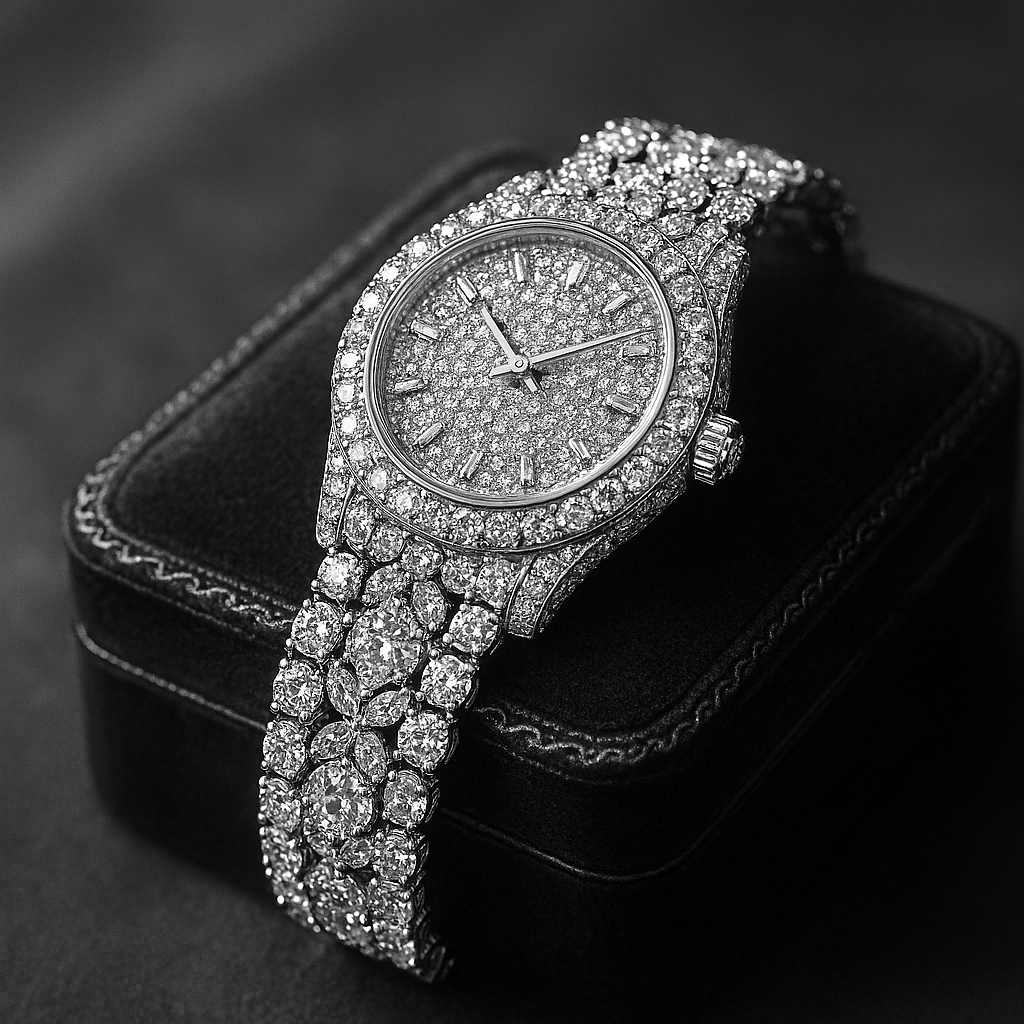
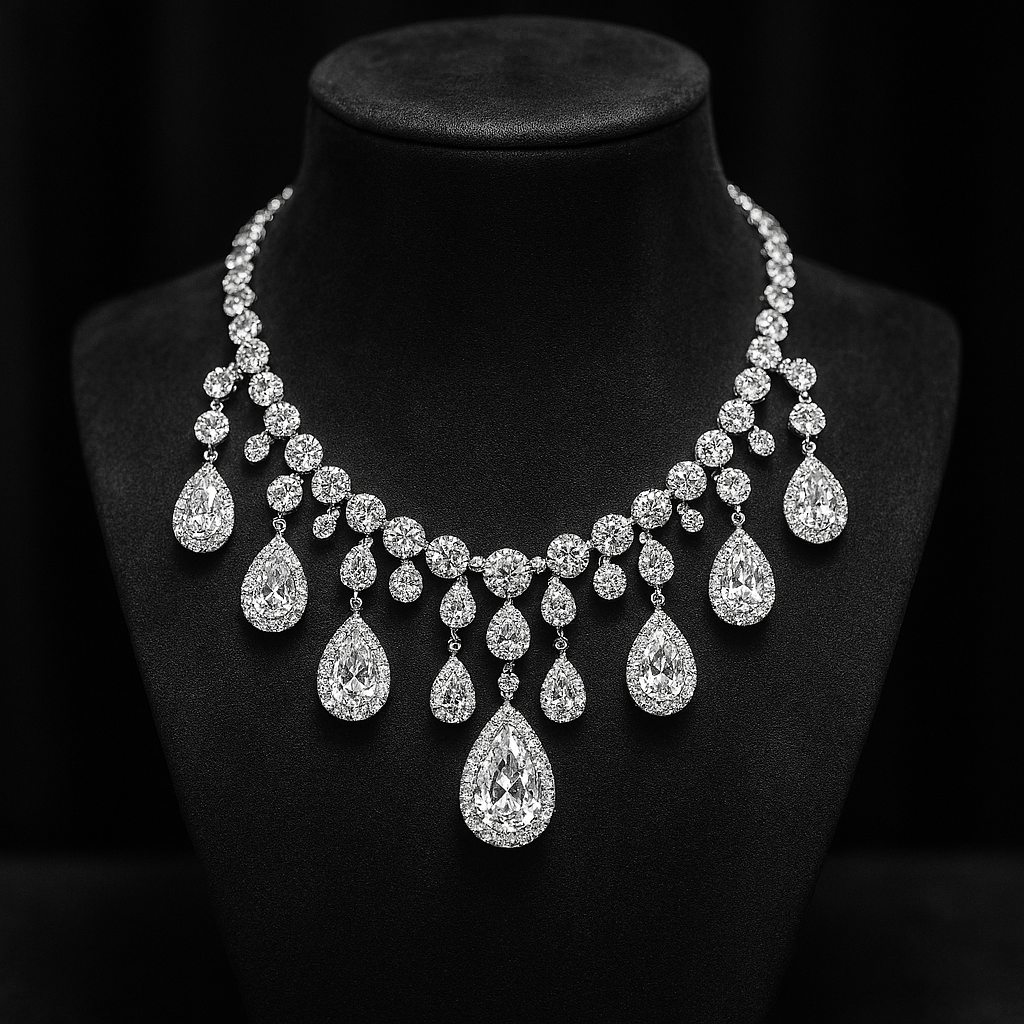
Luxury has been so thoroughly counterfeited in modern culture that the word itself has lost its dignity. What many call “luxury” today is merely noise—loud logos, chaotic color palettes, and the frantic display of wealth meant to convince the world of a status the wearer does not internally possess. It is the aesthetic of insecurity: the gaudy, the excessive, the performative. It is the spectacle of individuals dressing expensively yet looking inexpensive, adorning themselves with price tags instead of refinement, and mistaking visibility for value. This is not opulence. It is ornamental poverty.
True luxury has never been about proving wealth; it has always been about embodying order, restraint, and mastery. Scripture’s portrayal of opulence is not the modern obsession with showcasing money but the divine insistence on excellence. When God establishes covenant with Abraham, the blessing manifests not as spectacle but as stability. “The LORD hath blessed my master greatly; and he is become great” (Genesis 24:35, KJV). Abraham’s wealth was not a performance—it was a quiet, generational infrastructure. His opulence was not loud; it was foundational.
Solomon’s world further reveals the biblical architecture of luxury. His environment was not defined by logos or excess but by craftsmanship so elevated that it produced awe. The Queen of Sheba was not impressed by displays of wealth; she was undone by the precision, the order, the refinement of his court. Scripture notes that “there was no more spirit in her” (1 Kings 10:5, KJV). Solomon’s opulence was not gaudy—it was intelligent. It was the manifestation of wisdom translated into material form.
David’s relationship with luxury was equally theological. When he prepared resources for the temple, he did not gather leftovers or symbolic offerings. He assembled gold, silver, marble, onyx, and precious stones with intentionality, declaring, “I have prepared with all my might” (1 Chronicles 29:2, KJV). Luxury, for David, was not indulgence; it was devotion. It was the refusal to offer God anything that lacked excellence. His opulence was not self‑exaltation—it was reverence.
Even the prophetic visions of Heaven reveal a divine aesthetic that is unapologetically opulent. Revelation describes foundations adorned with jasper, sapphire, emerald, and amethyst—materials chosen not for spectacle but for symbolism, permanence, and glory. The imagery is not gaudy; it is architectural perfection. God’s design language is not minimalism born of scarcity but opulence born of sovereignty. Heaven is not cheap. Heaven is not plain. Heaven is not modest in the sense of deprivation. Heaven is ordered abundance.
This biblical pattern dismantles the modern caricature that luxury is inherently sinful. Scripture does not condemn wealth, beauty, or refinement. It condemns pride, exploitation, and vanity. Luxury becomes distorted only when it becomes a performance rather than a posture. True opulence is not about being seen; it is about being established. It is not about accumulation; it is about curation. It is not about noise; it is about mastery.
To apply this to daily living is to reject the cultural fixation on spectacle. It is the refusal to dress in ways that cheapen one’s presence, even if the garment is expensive. It is the discipline of selecting pieces that communicate intelligence, stability, and dignity. Luxury is not the loudness of branding but the quiet authority of quality. It is the understanding that refinement is a form of stewardship—an intentional relationship with beauty, craftsmanship, and longevity.
Scripture affirms this posture through the lives of those God entrusted with influence. Joseph, elevated to power in Egypt, was clothed in fine linen and adorned with a gold chain (Genesis 41:42, KJV). His garments were not a performance; they were a sign of authority. Esther, positioned for divine assignment, underwent a year of refinement with oils and fragrances before entering the king’s presence (Esther 2:12, KJV). Her preparation was not vanity; it was protocol. Daniel was arrayed in scarlet and given a chain of gold when recognized for his excellence (Daniel 5:29, KJV). His adornment was not gaudy; it was governmental.
These examples reveal a consistent truth: luxury, when aligned with purpose, becomes a language of assignment. It is not about excess but about expression—an external manifestation of internal order. It is the aesthetic of those who understand their identity, their calling, and their covenant.
In a world obsessed with proving wealth, the Christian woman called to luxury does not perform. She embodies. She does not flaunt. She establishes. Her wardrobe is not a billboard but a blueprint—an architectural expression of dignity, discipline, and divine alignment. Her opulence is not loud, but it is unmistakable. It is the quiet, enduring, spiritually grounded refinement that Scripture affirms and Heaven itself reflects.
Authored By Osaromwenyeke King Osemwota.