
Abstract
The Gospel of Glamour: The Christian Woman’s Style Blueprint was a luxury-branded, sustainability-focused, faith-based style guide that addressed a gap in fashion, theology, and sustainability scholarship. Existing literature had either systematized fashion, explored the spiritual significance of dress, or examined sustainable and luxury practices—but none had integrated these dimensions into a prescriptive, actionable guide for Christian women. Drawing on Scripture as the foundational authority, including passages from Genesis, Exodus, Psalms, and Proverbs, the guide framed clothing as both practical provision and visible expression of covenantal identity. The style guide synthesized secular fashion methodology, modest-fashion scholarship, and sustainable luxury principles to establish a coherent system. Principles of silhouette, proportion, wardrobe architecture, and coordination were combined with theological imperatives of modesty, dignity, and stewardship. Sustainability was approached as lifecycle longevity and generational stewardship, while luxury was reinterpreted as craftsmanship, excellence, and intentionality rather than excess. By bridging doctrinal insight with technical fashion knowledge, the style guide provided a structured, repeatable format that empowered Christian women to dress expressively and timelessly, honoring both faith and aesthetic discernment. It demonstrated that fashion could function as a disciplined, faith-aligned practice, integrating spirituality, sustainability, and luxury into everyday wardrobe choices.
Dedication
I dedicate this work to Jesus Christ, Lord God Almighty, my Savior, Redeemer, and ultimate source of wisdom, strength, beauty, and truth. Your guidance, grace, and love have sustained me throughout this journey. May this project honor Your name and reflect the glory, dignity, and excellence You call Your children to embody in all areas of life.


Introduction
The Gospel of Glamour: The Christian Woman’s Style Blueprint examined how biblical theology, sustainability research, and luxury branding scholarship could be integrated to support the development of a style guide for Christian women. The work held significance because existing academic conversations appeared to address these areas independently rather than in combination. Theological writing suggested that clothing carried symbolic and spiritual meaning within Christian traditions, as biblical texts portrayed garments as expressions of provision, consecration, and beauty. Exodus 28:2 stated, “And thou shalt make holy garments for Aaron thy brother for glory and for beauty” (The Holy Bible, King James Version, n.d.), which indicated that dress functioned as a site of intentional design and spiritual communication. Sustainability research described slow fashion as a model oriented toward longevity and responsible stewardship, which aligned with Christian ethical concerns regarding care and resource use (Jung & Jin, 2016). Luxury branding studies noted that craftsmanship and authenticity were increasingly valued by consumers, which offered a conceptual bridge between aesthetic excellence and moral intention (Athwal et al., 2019). These strands suggested that a unified framework grounded in Scripture, sustainability, and luxury principles had not yet been fully articulated.
The Gospel of Glamour: The Christian Woman’s Style Blueprint sought to respond to this gap by presenting a structured approach to personal style shaped by theological commitments and informed by interdisciplinary research. Prior theological scholarship often emphasized the meaning of dress without offering practical stylistic systems (Smith, 2016). Sustainability studies tended to focus on material or lifecycle concerns without engaging Christian identity (Gwilt, 2020). Luxury branding research examined value, craftsmanship, and presentation but did not address how these concepts might intersect with Christian understandings of dignity or witness (Cervellon & Drylie Carey, 2021). Research on modest fashion in other religious contexts demonstrated that faith‑based dress could be aspirational and culturally relevant, which provided methodological insight even though these studies did not address Christian theology directly (Bullock, 2015). Studies on clothing and embodiment suggested that style practices could influence self‑perception, which supported the relevance of a guide intended to help Christian women navigate appearance with confidence and dignity (Stolovy, 2024). These perspectives collectively shaped the rationale for developing a style guide that approached dress as both expressive and spiritually grounded.
The Gospel of Glamour: The Christian Woman’s Style Blueprint was developed by examining biblical passages related to modesty, beauty, and covenantal identity, including texts that framed clothing as a site of honor and consecration, such as the instruction regarding Aaron’s garments in Exodus 28:2 (The Holy Bible, King James Version, n.d.). Sustainability literature informed the emphasis on longevity and intentional consumption (Jung & Jin, 2016). Luxury branding research contributed to the understanding of aesthetic value and presentation (Cervellon & Drylie Carey, 2021). These sources collectively informed the conceptual basis for The Gospel of Glamour: The Christian Woman’s Style Blueprint and shaped the development of the style guide.

The demographic profile for The Gospel of Glamour: The Christian Woman’s Style Blueprint identified its audience as Christian women between the ages of thirty and forty‑five who lived in environments where luxury, professionalism, and cultural refinement shaped their daily rhythms. They typically resided in affluent metropolitan or suburban districts—areas characterized by gated communities, newly built luxury townhomes, or high‑rise condominiums with concierge services. Their neighborhoods offered proximity to premium grocery markets, boutique fitness studios, and curated retail corridors anchored by department stores such as Nordstrom or Saks Fifth Avenue, along with independent luxury boutiques and well‑established local artisans. These women were college‑educated, often holding graduate or professional degrees, and worked in fields such as corporate leadership, law, medicine, finance, consulting, real estate development, or entrepreneurial ventures. Their income bracket placed them firmly within the high‑net‑worth category, enabling regular engagement with services such as personal styling, wardrobe curation, aesthetic dermatology, luxury travel planning, and membership‑based wellness programs. Their consumption patterns reflected a preference for craftsmanship, longevity, and symbolic coherence, and they consistently selected garments and environments that aligned with their values of dignity, refinement, and spiritual intentionality. A defining aspect of their purchasing behavior had been a sustainability ethic rooted not in low‑cost recyclability but in the acquisition of high‑quality materials designed to endure for decades. They favored garments constructed with heirloom‑level durability—pieces intended to be preserved, repaired, and eventually passed down—reflecting a belief that true sustainability was expressed through longevity, heritage, and responsible luxury rather than disposable eco‑friendly trends.
Psychographically, the intended audience had been characterized by a strong sense of self‑possession, spiritual grounding, and aesthetic discernment. They approached clothing as a site of meaning‑making in which glamour, luxury, and Christian identity were understood as mutually reinforcing rather than contradictory. Their motivations were shaped by a desire for order, dignity, and intentionality, and they rejected styles that appeared hyper‑sexualized, chaotic, or disconnected from their theological commitments. Their wardrobes favored structured silhouettes, refined textiles, and understated elegance, and their lifestyle patterns reflected this orientation. They frequented art museums, boutique hotels, philanthropic galas, leadership conferences, and church communities that emphasized excellence, stewardship, and cultural engagement. Central to their psychographic identity had been a sustainability mindset grounded in stewardship and legacy: clothing was expected to carry generational value, to honor the labor and craftsmanship embedded in luxury production, and to reflect a theology of care rather than consumption. They believed that beauty, durability, and responsibility were intertwined, and that investing in long‑lasting garments was an expression of covenant identity and cultural integrity. This produced a consumer who was selective, symbol‑driven, and deeply attuned to the cultural, spiritual, and material implications of her appearance. She responded most strongly to frameworks that offered coherence, theological grounding, and practical systems, making her particularly aligned with a style guide such as The Gospel of Glamour: The Christian Woman’s Style Blueprint, which integrated Scripture, sustainability research, and luxury branding scholarship into a unified approach to dress.
Literature Review
The existing literature surrounding fashion, theology, sustainability, luxury branding, and personal styling demonstrated that while many disciplines had developed partial frameworks for understanding dress, identity, and aesthetic formation, none had produced a comprehensive methodology for constructing a luxury‑branded, sustainability‑focused, faith‑based style guide for Christian women. The creation of such a guide required not only an understanding of fashion systems but also a rigorous engagement with Scripture as the primary doctrinal authority. From the opening chapters of Genesis, where God clothed Adam and Eve with “coats of skins” (The Holy Bible, King James Version, n.d.), clothing was presented as both provision and sign. In Exodus, the Lord commanded that holy garments be made for Aaron “for glory and for beauty” (Exodus 28:2, The Holy Bible, King James Version, n.d.), establishing that dress could be intentionally designed to communicate consecration, dignity, and aesthetic excellence. Any style guide for Christian women had to be built at the intersection of biblical theology and technical fashion knowledge, translating the “beauty of holiness” (Psalm 29:2, The Holy Bible, King James Version, n.d.) into concrete wardrobe structures, silhouettes, and styling systems.
The most direct precedents for constructing a style guide were found in secular fashion manuals and style bibles that codified aesthetic principles into structured, repeatable systems. Jackson and Shaw (2006) presented fashion as an organized field with definable concepts, cycles, and consumer dynamics. They demonstrated that style could be systematized rather than left to intuition. Rousso and Kaplan Ostroff (2024) extended this logic into fashion forecasting. They showed how long‑term visual direction was built through research, pattern recognition, and the identification of enduring codes. This was essential for a guide that rejected trend dependency and instead pursued timelessness. Hopkins (2021) offered a complete guide to fashion design. He translated abstract design principles into practical guidance on silhouette, proportion, and construction. These principles were necessary for specifying which shapes and structures best aligned with modesty, dignity, and visual testimony.
Theological and religiously inflected works on fashion provided conceptual scaffolding but did not yet offer a fully developed style system. Ambrosio (2019) wove a theology of fashion, treating clothing as a site of spiritual meaning. Fallon (2023) articulated a theology of style grounded in the imago Dei. Neal (2019) traced the historical relationship between Christianity and fashion in America. Smith (2016) examined Christian dress and identity. These works confirmed that Christian women desired frameworks that reconciled faith and fashion. Yet, they remained primarily descriptive or conceptual. They did not translate doctrine into specific silhouettes, fabrics, color harmonies, or wardrobe architecture. They affirmed that clothing mattered spiritually but stopped short of constructing a prescriptive, technically informed style guide that told a Christian woman how to build a closet that was both luxurious and holy, both sustainable and covenantal.
Modest fashion scholarship, largely developed in Islamic contexts, offered methodological insight into how faith‑based dress codes could be translated into aspirational style narratives and marketable systems. Bullock (2015) showed that modest fashion was not a retreat from style but a reconfiguration of it. Religious values were expressed through silhouette, layering, and styling choices that remained visually compelling. Amalanathan and Reddy‑Best (2024) examined U.S. Muslim women in niche fashion markets. They demonstrated that religious entrepreneurs built brands that were both modest and fashionforward. These studies proved that it was possible to construct fashion systems around modesty that resisted both hyper‑sexualization and aesthetic dullness. However, they did not address Christian theology. Nor did they operate in the specific register of luxury branding and sustainability as lifecycle longevity. They nonetheless provided a methodological precedent: faith‑based style could be codified, branded, and systematized in ways that were culturally relevant and visually excellent.
Sustainability literature contributed directly to the project’s definition of sustainable style as high‑quality, timeless, and heirloom‑worthy rather than merely “eco‑labeled” or trend‑driven. Jung and Jin (2016) conceptualized slow fashion as a model centered on durability, emotional value, and long-term use. This aligned with the biblical ethic of stewardship and the call to “be faithful in that which is least” (Luke 16:10, The Holy Bible, King James Version, n.d.). Landi et al. (2023) quantified the carbon footprint of a slow fashion brand. They demonstrated that longevity and quality materially reduced environmental impact. Sarokin and Bocken (2024) explored how slow fashion brands pursued profitability. They showed that sustainability and economic viability could coexist when value was framed around lifecycle rather than volume. Gwilt (2020) offered practical strategies for designing and curating garments that lasted. She emphasized quality, versatility, and timeless design. These principles directly informed a style guide built on pieces that could be worn across seasons and life stages and passed down through generations. Bertola and Colombi (2024) argued that sustainable fashion required transformation in organizational practices, product development, and socio‑cultural narratives. This reinforced the need for a guide that taught Christian women to opt out of trend churn and into covenantal continuity. Ritch and Siddiqui (2023) examined disruptive marketing tactics in circular fashion. Eckert et al. (2022) highlighted the role of networks in supporting sustainable fashion businesses. Both studies informed how a faith‑based luxury brand could position itself within a broader ecosystem of longevity and repair.
Luxury fashion scholarship was crucial because The Gospel of Glamour: The Christian Woman’s Style Blueprint was not a generic Christian dress manual but a luxury‑branded style doctrine. Athwal et al. (2019) synthesized research on sustainable luxury. They revealed that luxury consumers increasingly valued craftsmanship, authenticity, and ethical alignment. This resonated with a Christian understanding of excellence and integrity. Cervellon and Drylie Carey (2021) examined how luxury brands navigated consumer behavior and sustainability pressures. They offered insight into how a Christian luxury brand could maintain exclusivity while promoting stewardship. This echoed Proverbs 31:22, where the virtuous woman’s clothing was “silk and purple,” signaling quality, honor, and preparedness rather than excess (The Holy Bible, King James Version, n.d.). Huang (2024) critiqued traditional luxury marketing through the lens of the female gaze. She suggested that a Christian style guide could reclaim visual power without objectification, teaching women to dress as subjects rather than commodities. Rathore (2018) examined how contemporary fashion marketing shaped consumer behavior. This underscored the need for Christian women to develop aesthetic discernment so they were not unconsciously discipled by secular style narratives.
Technical and psychological literature on clothing and coordination reinforced the idea that style systems could be formalized and that they shaped not only appearance but embodiment. Fukuda and Nakatani (2011) proposed a fashion coordinate support system in which clothes recommended themselves. They demonstrated that outfit creation could be structured algorithmically. Decision rules could be embedded into systems. This supported the idea that a Christian style guide could function as a decision architecture that translated doctrine into daily dress practices (specific silhouettes, fabrics, and color harmonies that honored that temple). Stolovy (2024) showed that clothing could foster body appreciation among both secular and religious women. This suggested that a faith‑based style guide could be a tool of healing rather than shame. It aligned with the biblical affirmation that believers were “accepted in the beloved” (Ephesians 1:6, The Holy Bible, King James Version, n.d.) and called to present their bodies as “a living sacrifice, holy, acceptable unto God” (Romans 12:1, The Holy Bible, King James Version, n.d.).
Within this broader landscape, The Holy Bible, King James Version, stood as the ultimate backbone and interpretive authority. It presented clothing as both practical necessity and symbolic language. From the garments of skin in Genesis to the priestly garments “for glory and for beauty” in Exodus 28:2, to the virtuous woman clothed in strength, honor, and purple in Proverbs 31, to the call to “worship the Lord in the beauty of holiness” (Psalm 29:2), to Christ’s teaching that believers were a city set on a hill whose light must be seen (Matthew 5:14–16, The Holy Bible, King James Version, n.d.), these passages collectively established that outward presentation was not spiritually neutral. It was a visible extension of covenantal identity. Yet, despite this rich biblical foundation, no existing academic or industry work had translated these scriptural principles into a luxury‑aligned, sustainability‑anchored, technically precise style guide for Christian women.
Historically, the field fractured into three incomplete streams. Secular style guides codified fashion knowledge but lacked theological grounding. Theological and modest-fashion scholarship articulated spiritual meaning yet offered no comprehensive style system. Sustainable and luxury fashion research reframed value, longevity, and identity but never translated these principles into a style guide for the Christian woman. The Gospel of Glamour: The Christian Woman’s Style Blueprint emerged at the intersection of these gaps and introduced something unprecedented. It treated Scripture as its structural spine. It framed luxury as a language of dignity, excellence, and divine craftsmanship. It defined sustainability as lifecycle longevity and generational stewardship. It approached styling as a disciplined craft and synthesized the technical architecture of a fashion handbook. In doing so, it filled a clear void in the discipline. It did not merely comment on Christian fashion. It delivered a structured, doctrinal, luxury-branded, sustainability-focused style system. It equipped Christian women to dress attractively, expressively, and timelessly—without compromising faith, witness, or spiritual integrity.
Methodology
The study used qualitative research and content analysis to examine the theological, fashion, and sustainability sources that informed The Gospel of Glamour: The Christian Woman’s Style Blueprint. Qualitative research was used to interpret meanings, patterns, and relationships within the texts and visual materials. As Aspers and Corte (2021) described, qualitative research focused on understanding social phenomena through interpretation rather than measurement, allowing the study to explore how values expressed in scripture and fashion scholarship could be translated into stylistic guidance.
Content analysis was used as the method for examining and comparing textual and visual materials. Neuendorf and Kumar (2016) explained that content analysis involved systematic examination of information to identify themes and patterns of meaning. In this study, content analysis allowed the review of biblical passages, fashion manuals, scholarly literature on style systems, modest fashion, luxury fashion, and sustainability literature to identify principles that could inform wardrobe design, presentation, and ethical considerations. This approach supported the recognition of stylistic ideas, aesthetic values, and ethical guidance while preserving the integrity and meaning of the original texts for direct application in the style guide.
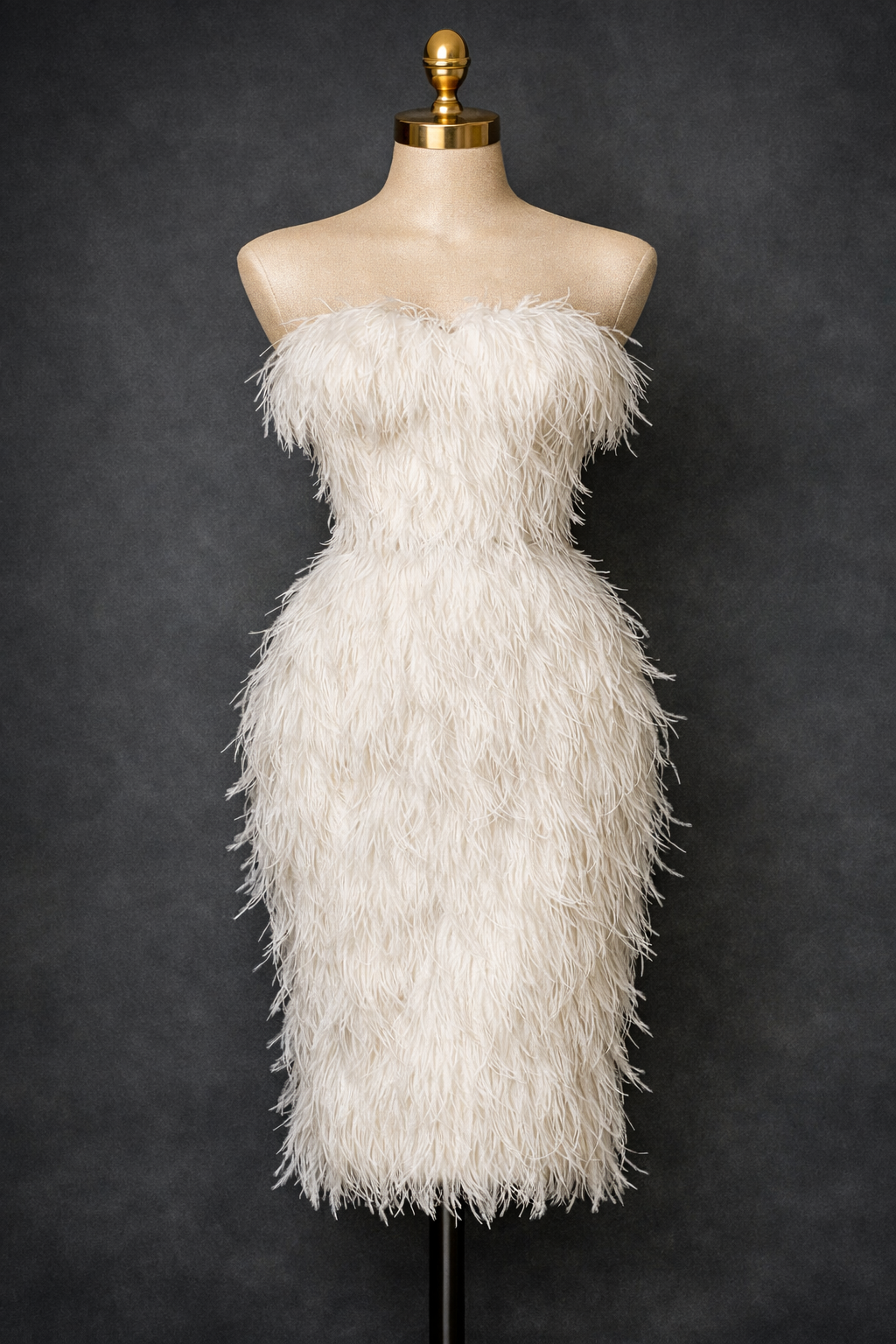
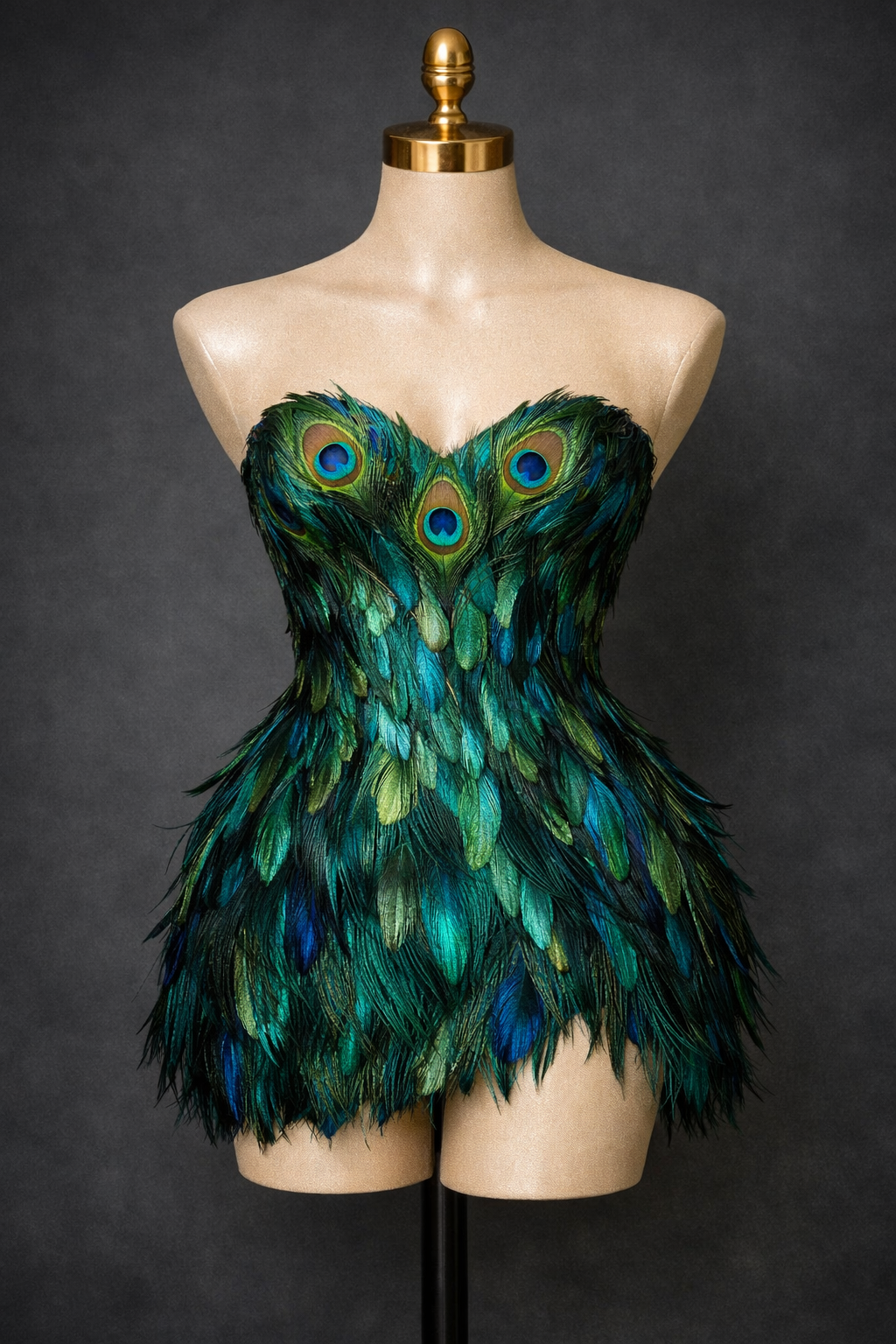
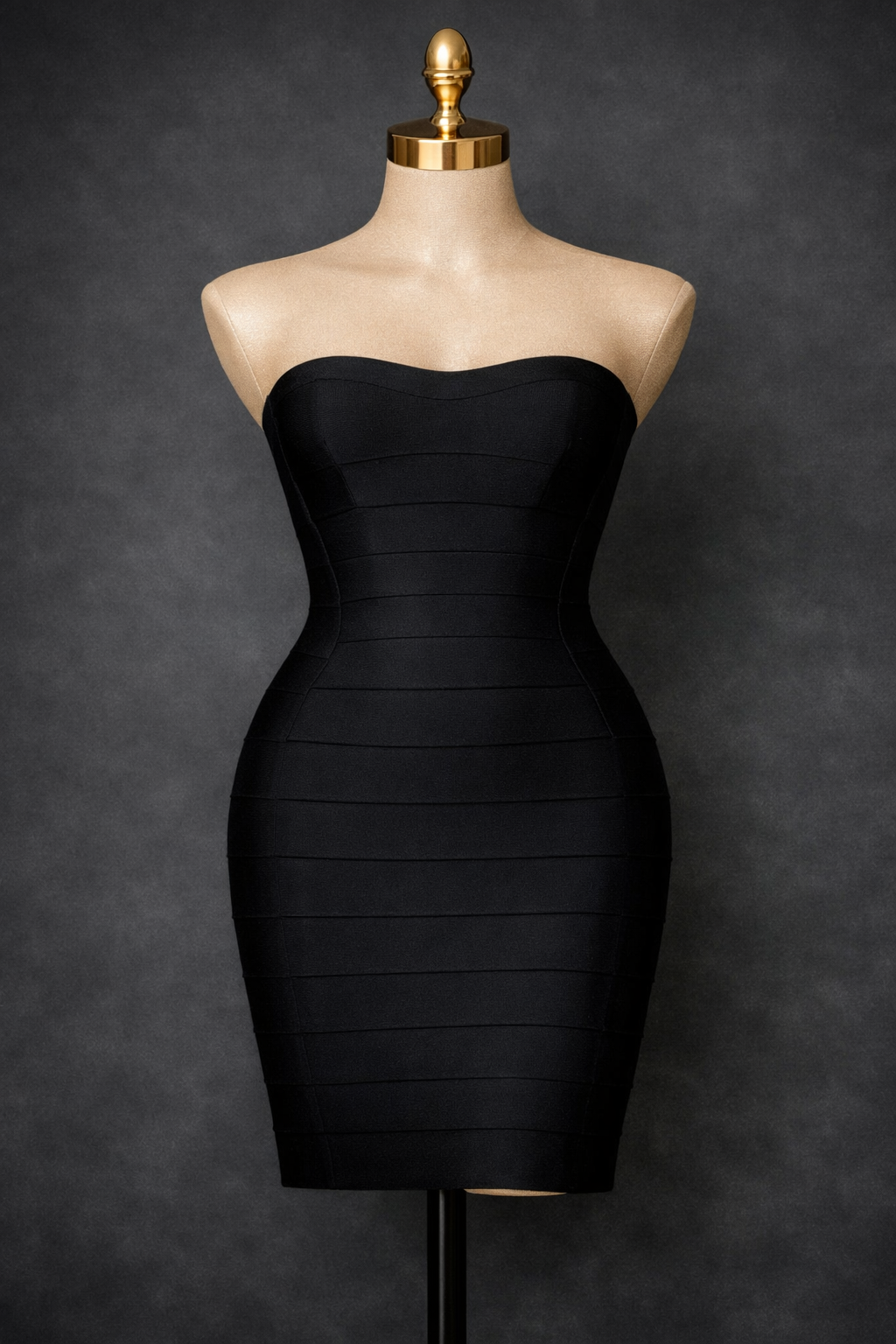
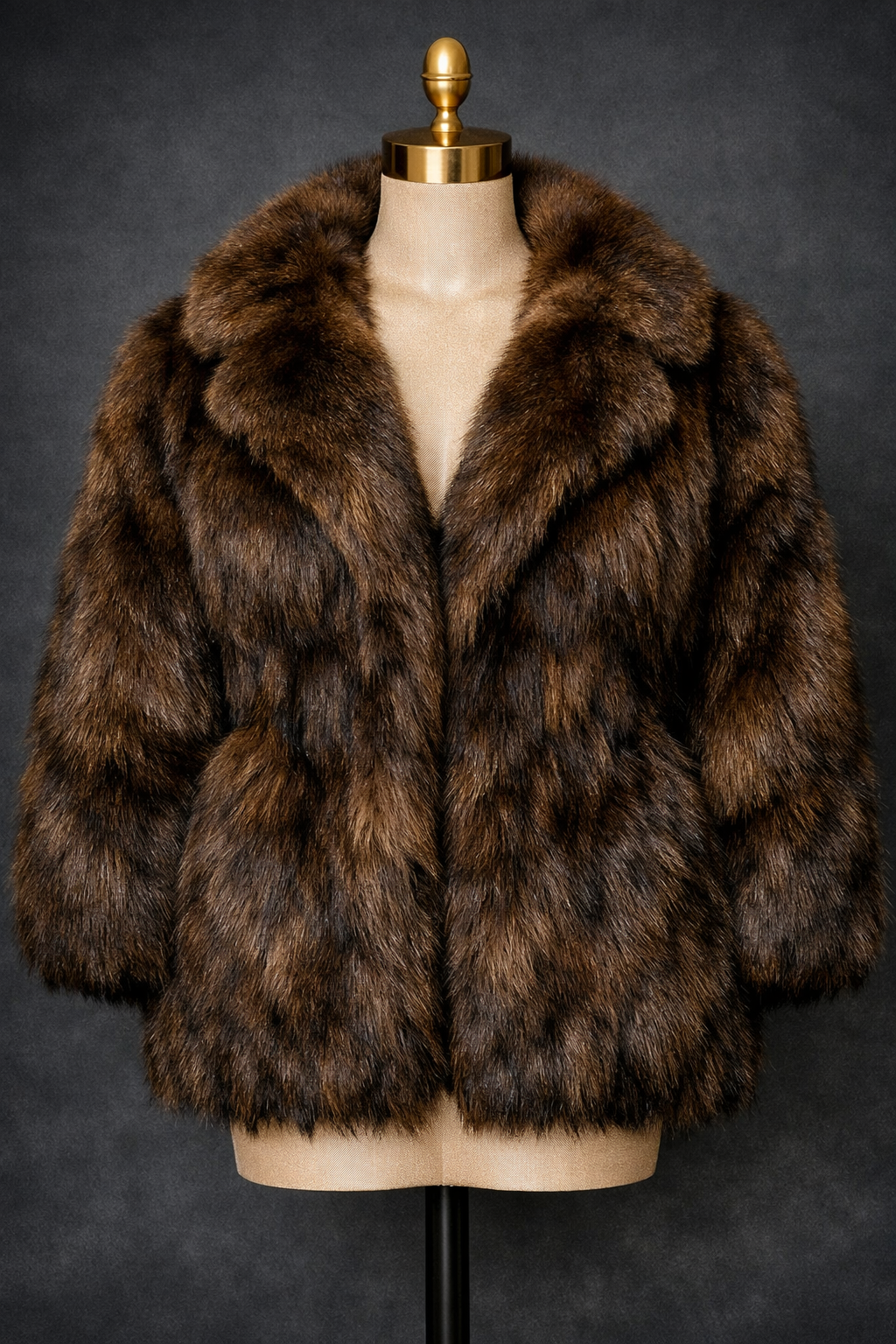
Biblical texts were examined to identify principles related to modesty, dignity, and stewardship. These passages were interpreted to understand how spiritual teachings could guide garment selection, layering, color harmonies, and overall presentation. Fashion literature was reviewed to translate these principles into practical elements of wardrobe construction, including proportion, silhouette, layering, fabric choice, and coordination, ensuring that guidance reflected both aesthetic clarity and alignment with theological values. Sustainability literature was analyzed to incorporate considerations of durability, versatility, and environmental responsibility, ensuring that recommended garments supported long-term use and ethical production. Visual materials, such as images of garments and fashion collections, were reviewed to demonstrate how textual principles could be applied in visual and practical styling guidance.
The examinations of these sources were integrated to develop actionable guidance for Christian women. Scriptural principles were translated into recommendations for fabrics, silhouettes, layering strategies, and color combinations. Fashion scholarship informed structural and aesthetic aspects of wardrobe design, while sustainability literature provided criteria for quality, longevity, and responsible use. Through this process, the methodology produced a structured style guide that integrated spiritual values, aesthetic coherence, and ethical responsibility, offering guidance that was practical, coherent, and grounded in careful interpretation of the examined sources.

Discussion of Results
The application of the methodology culminated in the production of The Gospel of Glamour: The Christian Woman’s Style Blueprint, a structured style guide grounded in theological interpretation, fashion literature, and sustainability principles. The examination of biblical texts established foundational values related to modesty, dignity, and stewardship, which informed the conceptual direction of the guide. Engagement with fashion sources clarified how these principles could be translated into practical wardrobe structures, silhouettes, layering strategies, fabric considerations, and color harmonies. Sustainability writings further shaped the framework by emphasizing durability, versatility, and lifecycle longevity as defining criteria for garment selection. The development process involved the careful synthesis of theological and aesthetic concepts into actionable style guidance. Scriptural themes were interpreted to articulate standards of presentation and dress, while fashion literature provided language and structure for expressing these values through visual and material choices. Sustainability perspectives ensured that recommendations reflected long-term use and responsible consumption rather than trend-driven acquisition. Visual references supported the articulation of proportion, coordination, and styling logic, enabling abstract principles to be expressed in tangible wardrobe configurations.
The resulting style guide demonstrated that faith-aligned dress could be formalized into a coherent system without reducing clothing to rigid prescriptions or purely symbolic interpretations. The project illustrated how theological values could function as generative design principles, shaping aesthetic decisions rather than merely constraining them. By integrating sustainability considerations within a luxury-oriented framework, the guide further challenged common assumptions that ethical consumption and aesthetic refinement were incompatible. The project advanced the field by addressing a gap in existing work, where discussions of Christian dress, fashion practice, and sustainability typically remained conceptually or disciplinarily isolated. The style guide provided a model for translating theological interpretation into structured aesthetic guidance, extending conversations in both modest fashion and sustainable wardrobe construction. The final work represented an original contribution by demonstrating that spiritual, aesthetic, and material considerations could be integrated into a unified and practically applicable style framework.
Conclusion
The project fulfilled its objective of presenting a structured and actionable style guide that integrated theological sources, fashion literature, and sustainability practices. The work demonstrated that faith-aligned style could be articulated through coherent frameworks of garment selection, layering, fabric choices, and color harmonies, showing that aesthetic refinement and spiritual values were not mutually exclusive. The originality of the project resided in its movement beyond descriptive or purely conceptual discussions of Christian dress. Prior works largely explored symbolic, cultural, or theological interpretations of clothing, whereas this project articulated those values into a practical system of wardrobe organization and styling. Sustainability concepts, which were often discussed at brand or industry levels, were applied to individual wardrobe construction, emphasizing longevity, versatility, and responsible consumption within a luxury-oriented context.
The strengths of the project included its interdisciplinary integration of theology, fashion literature, and sustainability research. The use of qualitative interpretation and content analysis enabled careful engagement with meanings, values, and aesthetic principles across diverse materials. Limitations arose from the relative scarcity of sources that directly addressed a Christian women’s style framework integrating luxury, sustainability, and scriptural foundations. Although extensive work existed in theology, fashion, and sustainability, few studies examined their intersection within the specific context of a luxury-oriented, faith-based style guide. As a result, the study relied on the careful synthesis of insights drawn across multiple disciplinary perspectives rather than a single consolidated body of research. Nevertheless, the framework that emerged provided a coherent and transferable model for faith-aligned style guidance.
The project contributed to existing research by demonstrating that theological principles could inform structured aesthetic practices without reducing dress to rigid prescriptions or purely symbolic interpretations. It illustrated that sustainability and luxury could coexist within a value system defined by stewardship and durability. This positioning expanded discussions of both modest fashion and sustainable consumption by situating them within a Christian stylistic framework. Future developments of the work could involve empirical assessment of the guide’s application among diverse groups of Christian women, cross-cultural adaptations, and further refinement of wardrobe models responsive to varying climates, professions, and life stages. Additional research could also examine how faith-based style systems influenced perceptions of identity, self-presentation, and ethical consumption. In summary, The Gospel of Glamour: The Christian Woman’s Style Blueprint was a structured synthesis of theological reflection, fashion literature, and sustainability considerations. The work established a practical model for integrating spiritual values with aesthetic and material decision-making, contributing a novel perspective to conversations surrounding dress, identity, and responsible consumption.
Authored By Osaromwenyeke King Osemwota

Bibliography
Alzahmi, W., Al‑Assaf, K., Alshaikh, R., Al Khaffaf, I., & Ndiaye, M. (2025). Strategic business model development for sustainable fashion startups: Insights from the BANU case in Senegal. Sustainability, 17(13), 5722. https://doi.org/10.3390/su17135722
Amalanathan, S., & Reddy‑Best, K. L. (2024). Modesty in business, bold in fashion: Entrepreneurial experiences of U.S. Muslim women in niche fashion markets. Journal of Innovation and Entrepreneurship, 13, 57. https://doi.org/10.1186/s13731-024-00420-5
Ambrosio, A. F. (2019). Invisible dress: Weaving a theology of fashion. Religions, 10(7), 419. https://doi.org/10.3390/rel10070419
Aspers, P., & Corte, U. (2021). What is Qualitative in Research. Qualitative Sociology, 44(2), 599–608. https://doi.org/10.1007/s11133-021-09497-w
Athwal, N., Wells, V. K., Carrigan, M., & Henninger, C. (2019). Sustainable luxury marketing: A synthesis and research agenda. International Journal of Management Reviews, 21(4), 405–426. https://doi.org/10.1111/ijmr.12195
Bertola, P., & Colombi, C. (2024). Can fashion be sustainable? Trajectories of change in organizational, products and processes, and socio‑cultural contexts. Sustainability: Science, Practice and Policy, 20(1), Article 2312682. https://doi.org/10.1080/15487733.2024.2312682
Boulocher‑Passet, V., Daly, P., & Ruaud, S. (2024). Sustainable entrepreneurship within fashion: La Gentle Factory story. The International Journal of Entrepreneurship and Innovation, 26(4), 376–390. https://doi.org/10.1177/14657503241250284
Bullock, K. (2015). Modest fashion: Styling bodies, mediating faith. American Journal of Islam and Society, 32(3), 121–123. https://doi.org/10.35632/ajis.v32i3.996
Burns‑Tran, S., & Davis, J. B. (2018). Style wise: A practical guide to becoming a fashion stylist. Bloomsbury Publishing USA.
Cervellon, M.‑C., & Drylie Carey, L. (2021). Luxury brands, consumer behaviour and sustainability. In L. Rienda, L. Ruiz‑Fernández, L. Drylie Carey, & I. Garcia‑Medina (Eds.), Firms in the fashion industry (pp. 87–95). Palgrave Macmillan. https://doi.org/10.1007/978-3-030-76255-1_6
Consumer–brand relationship in the phygital age: A study of luxury fashion. (2023). Italian Journal of Marketing. https://doi.org/10.1007/s43039-023-00081-4
Creevey, D., Coughlan, J., & O’Connor, C. (2021). Social media and luxury: A systematic literature review. International Journal of Management Reviews, 99–129. https://doi.org/10.1111/ijmr.12271
Davis, J. B. (2024). Style wise: A practical guide to becoming a fashion stylist (3rd ed.). Bloomsbury Publishing USA.
Dingemans, J. (1999). Mastering fashion styling. Bloomsbury Publishing.
Eckert, C., Crommentuijn‑Marsh, P., & Black, S. (2022). The role of networks in supporting micro‑ and small‑sized sustainable fashion businesses. Sustainability: Science, Practice and Policy, 18(1), 544–559. https://doi.org/10.1080/15487733.2022.2097772
Fallon, L. (2023). Theology of style: Expressing the unique and unrepeatable you. Ascension Press.
Fetais, A. H., Algharabat, R. S., & Aljafari, A. (2023). Do social media marketing activities improve brand loyalty? An empirical study on luxury fashion brands. Information Systems Frontiers, 25, 795–817. https://doi.org/10.1007/s10796-022-10264-7
Flaherty, S. (2012). Book of styling: An insider’s guide to creating your own look. Millbrook Press.
Freer, A. (2015). How to get dressed: A costume designer’s secrets for making your clothes look, fit, and feel amazing. Clarkson Potter/Ten Speed.
Fukuda, M., & Nakatani, Y. (2011). Clothes recommend themselves: A new approach to a fashion coordinate support system. Proceedings of the World Congress on Engineering and Computer Science 2011 (Vol. I). https://socialcomm.sakura.ne.jp/sclab/SCLabENG/pdf/kan2.pdf
Gwilt, A. (2020). A practical guide to sustainable fashion (2nd ed.). Bloomsbury Publishing.
Hedström, S. (2013). Fashion manifesto: The guide for the style‑savvy. Simon & Schuster.
Hopkins, J. (2021). Fashion design: The complete guide (2nd ed.). Bloomsbury Publishing.
Huang, Z. (2024). Luxury brands and the female gaze: Challenging traditional marketing strategies. Journal of Education, Humanities and Social Sciences, 35, 826–831. https://doi.org/10.54097/01axqd77
Hudders, L., De Backer, C., Fisher, M., & Vyncke, P. (2014). The rival wears Prada: Luxury consumption as a female competition strategy. Evolutionary Psychology, 12(3), 570–587. https://doi.org/10.1177/147470491401200308
Jackson, T., & Shaw, D. (2006). The fashion handbook. Routledge/Taylor & Francis.
Jung, S., & Jin, B. (2016). Sustainable development of slow fashion businesses: Customer value approach. Sustainability, 8(6), 540. https://doi.org/10.3390/su8060540
Landi, F. F. A., Fabiani, C., Pioppi, B., & Pisello, A. L. (2023). Sustainable management in the slow fashion industry: Carbon footprint of an Italian brand. The International Journal of Life Cycle Assessment, 28, 1229–1247. https://doi.org/10.1007/s11367-023-02205-6
Liu, C., Xia, S., & Lang, C. (2023). Online luxury resale platforms and customer experiences: A text mining analysis of online reviews. Sustainability, 15(10), 8137. https://doi.org/10.3390/su15108137
Naumova, O., Bilan, S., et al. (2019). Luxury consumers’ behavior: A cross‑cultural aspect. Innovative Marketing, 15(4), 1–13. https://doi.org/10.21511/im.15(4).2019.01
Neal, L. S. (2019). Religion in vogue: Christianity and fashion in America. NYU Press.
Neuendorf, K. A., & Kumar, A. (2016). Content analysis. In G. Mazzoleni (Ed.), The International Encyclopedia of Political Communication. John Wiley & Sons, Inc. https://doi.org/10.1002/9781118541555.wbiepc065
Rademan, S. (2013). The style bible. Penguin Random House South Africa.
Rathore, B. (2018). Allure of style: The impact of contemporary fashion marketing on consumer behaviour. International Journal of New Media Studies, 5(2), 10–21.
Ritch, E. L., & Siddiqui, N. (2023). Fashioning the circular economy with disruptive marketing tactics: An examination of fashion retail. Sustainability, 15(19), 14532. https://doi.org/10.3390/su151914532
Rothman, L. A. (2013). Style Bible: What to wear to work. Routledge/Taylor & Francis Group.
Rousso, C., & Kaplan Ostroff, N. (2024). Fashion forward: A guide to fashion forecasting (3rd ed.). Bloomsbury Academic.
Ruan, Y., Xu, Y., & Lee, H. (2022). Consumer motivations for luxury fashion rental: A second‑order factor analysis approach. Sustainability, 14(12), 7475. https://doi.org/10.3390/su14127475
Sarokin, S. N., & Bocken, N. M. P. (2024). Pursuing profitability in slow fashion: Exploring brands’ profit contributors. Journal of Cleaner Production, 444, 141237. https://doi.org/10.1016/j.jclepro.2024.141237
Smith, J. A. (2016). Faith and fashion: Christian dress and identity [Master’s thesis, Toronto Metropolitan University]. https://doi.org/10.32920/ryerson.14644872.v1
Stolovy, T. (2024). Befriending the body through clothes: The role of clothing in secular and religious women’s body appreciation. Frontiers in Psychology, 15, 1297663. https://doi.org/10.3389/fpsyg.2024.1297663
The Holy Bible, King James Version. (n.d.). Thomas Nelson. https://www.kingjamesbibleonline.org/
Wang, Y. (2023). How fashion luxury brands innovate marketing strategies in the development of internet media. BCP Business & Management, 16, 304–310. https://doi.org/10.54691/bcpbm.v16i.304